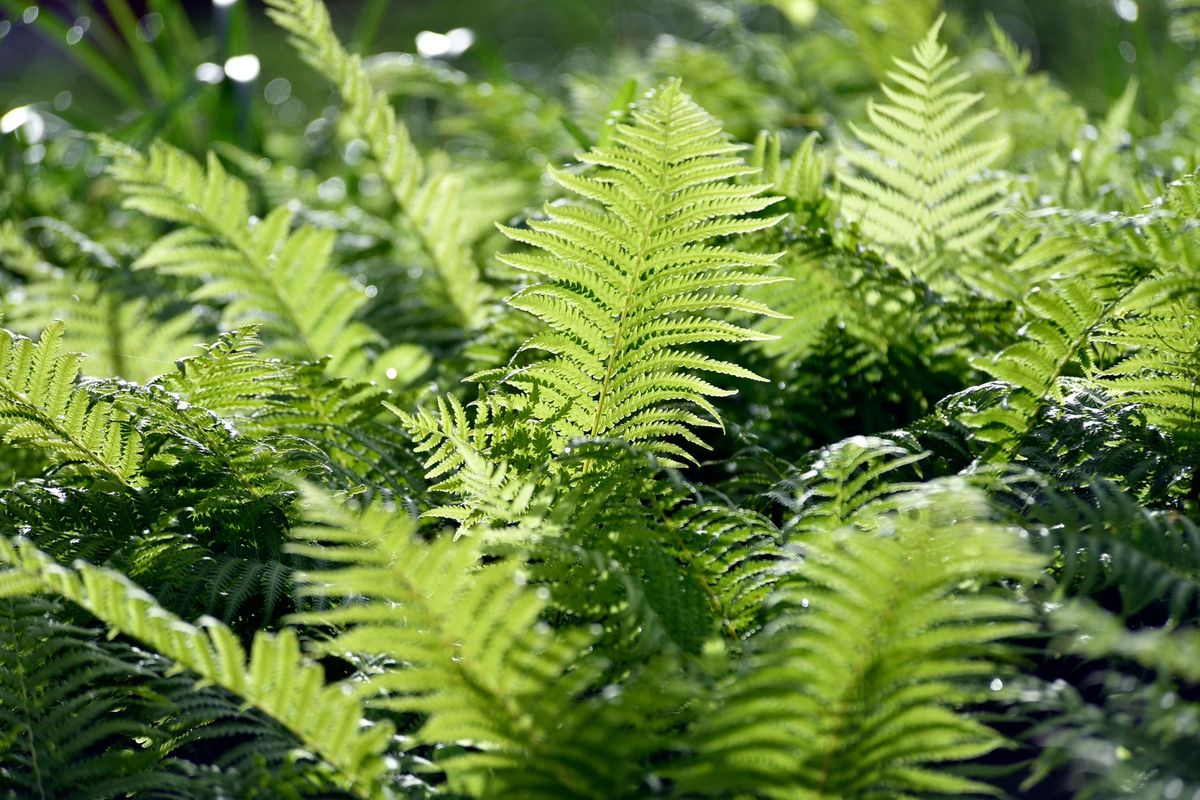
Seasonal Fern Care Calendar for the UK: Monthly Jobs from Spring to Winter
Ferns do not ask for much, but they notice when you are paying attention. A British garden can swing from wet, mild weeks to sudden frost, then a dry, glaring July. The trick is to work with that rhythm rather than against it. This calendar is a framework, not a rulebook. Use it to plan the big jobs, then adjust for your local weather, soil and the ferns you grow.
The UK’s maritime climate is kind to most ferns, but it is also unpredictable. A mild Cornish winter is not the same as a frost-pocket garden in the Midlands, and a shaded Scottish glen holds moisture very differently from a sunny London courtyard. So treat the months below as prompts. Look at your own ferns: are the croziers unfurling, are the crowns sitting wet, are the fronds scorching at the edges? That is your real calendar.
Spring: The Waking Season
Start in March by clearing winter debris. Cut away dead or damaged fronds with clean secateurs, but wait until you can see whether a frond is truly finished. Evergreen ferns such as holly fern and hart's tongue keep useful old leaves through winter; remove only the brown, tatty ones. Check drainage around crowns. If water sits in the crown, the fern can rot before growth begins. A handful of horticultural grit or coarse bark worked into the soil surface can help, especially on heavy clay.
April is the month for division and light feeding. If a clump has a bald centre or has outgrown its spot, lift it carefully and split it with two forks or a sharp spade. Replant the healthy outer sections at the same depth they were growing before, and water them in well. Feed established ferns with a thin mulch of leaf mould or composted bark rather than a strong general fertiliser. Ferns are not hungry plants; too much nitrogen produces soft, floppy fronds that are more likely to scorch or snap. If you use a liquid feed, dilute it to half strength and apply it once as new growth appears.
May is often the best month to plant new ferns. The soil is warming, the air is moist, and there is time for roots to settle before summer. Choose a site that matches the fern’s natural habitat. Dryopteris and Polystichum types are adaptable in shade, while Adiantum and Blechnum prefer consistent moisture and shelter. Water new plantings through their first summer, even if they are in shade. Watch for late frosts in northern and upland areas; tender new croziers can be blackened overnight. A loose covering of fleece or a few dry leaves is usually enough.
Spring jobs at a glance
- Clear dead and damaged fronds as new growth starts.
- Check and improve drainage around crowns.
- Divide overcrowded clumps in April.
- Mulch with leaf mould or composted bark.
- Plant or move ferns in May while soil is moist and warm.
- Protect emerging croziers from slugs, snails and late frost.
Summer: Keeping Cool and Consistent
June is about water and shade. In a typical British summer, rain may do the job, but do not assume it. A week of warm, breezy days can dry out shallow-rooted ferns, especially those under trees or against a south-facing wall. Water in the morning or evening, directing it at the soil rather than the fronds. A good soak once or twice a week is better than a daily sprinkle, because it encourages roots to go deeper. Mulch again if the soil is already damp; this locks in moisture and keeps the root zone cool.
July can be the cruelest month for ferns in pots. Terracotta and small plastic containers heat up quickly, and even shade-loving ferns can scorch if they dry out at the roots. Check containers daily during hot spells. If the compost has shrunk away from the sides, soak the pot in a bucket until bubbles stop rising. Move pots into deeper shade, group them together to raise humidity, or stand them on a tray of damp gravel. Do not mist in full sun, as water droplets can act like tiny lenses and burn the fronds.
August is a good time to tidy without stripping. Remove any fronds that have turned crisp and brown, but leave green ones to photosynthesise. If you are going on holiday, move container ferns to a cool, shaded corner and mulch borders well before you leave. In very dry shade, red spider mite can become a problem; look for fine webbing and pale speckling. A careful spray of water on the undersides of fronds in the evening can help, but avoid overhead watering during the day.
Summer watering tips
- Water deeply and less often, aiming for the soil.
- Check container ferns every day in hot weather.
- Group pots to create a humid microclimate.
- Mulch borders to slow evaporation.
- Move pots out of midday sun if fronds scorch.
Autumn: The Settling Season
September and October are ideal for planting and dividing because the soil is still warm and autumn rain is usually reliable. This gives roots time to establish before winter. It is also the best time to move ferns that struggled in summer. Improve the planting hole with leaf mould and a little grit if drainage is poor. Water well after planting, and keep an eye on them during dry autumn spells.
Fallen leaves are useful, but they can also smother small ferns. Rake heavy drifts off crowns and use them to make leaf mould or as a winter mulch around larger clumps. Chop thick leaves with the mower before using them as mulch; whole sycamore or oak leaves can mat down and keep the crown too wet. In November, think about protection. Tender ferns such as tree ferns need their crowns wrapped with straw or fleece, and the trunk protected with a sleeve of horticultural fleece or hessian. Move tender potted ferns under cover before the first hard frost.
Autumn jobs at a glance
- Plant and divide ferns in September and October.
- Clear heavy leaf fall from small crowns.
- Use shredded leaves as a winter mulch.
- Wrap tender tree fern crowns in November.
- Move tender container ferns under cover.
Winter: Dormancy and Protection
December and January are quiet months, but they are not idle. Ferns are mostly dormant, so reduce watering for container plants. They still need air and light, but they do not want to sit in cold, sodden compost. Raise pots onto feet or bricks so excess water drains away, and move them against a sheltered wall if possible. In the ground, avoid walking on frozen soil around crowns, as this can compact the ground and damage roots.
January is a good time to plan. Order new ferns, repair shade structures, and sharpen tools. Check stored pots for slugs and snails, which may be hiding in the compost. In February, cut back old, dead fronds from deciduous ferns before new growth emerges. Be careful not to damage the crowns. If frost has heaved small plants out of the soil, firm them back gently when the ground is not frozen. A light mulch after cutting back helps protect the crown from late cold snaps.
Winter protection checklist
- Reduce watering for container ferns.
- Raise pots to prevent waterlogging.
- Wrap tender crowns and trunks.
- Check for slugs and snails in stored pots.
- Cut back dead fronds in February.
- Firm any frost-heaved plants.
Extra Section: Ferns in Containers and Small Spaces
Container ferns are brilliant for shady balconies, courtyards and small UK gardens, but they live in a different world from border ferns. Their compost can freeze solid in winter and dry out completely in summer. Use a loam-based compost mixed with bark and grit, not a light peat-free mix that dries unpredictably, unless you are prepared to water constantly. Top-dress each spring with fresh compost and slow-release organic feed. Choose ferns that tolerate occasional dryness, such as Dryopteris erythrosora or Polystichum setiferum, or embrace moisture lovers like Blechnum spicant if you can water regularly. In winter, move pots to a sheltered spot and raise them off the ground. In summer, group them together and shade the pots themselves, not just the fronds, with a piece of slate or another pot.
Extra Section: Troubleshooting Common UK Fern Problems
Most fern problems come down to water, drainage or light. Brown, crispy fronds usually mean the plant dried out, especially in pots or under eaves. Yellowing fronds can indicate waterlogging, especially in heavy clay, or too much sun. If the crown is soft and black, root rot is likely; lift the fern, cut away rotten parts, and replant in a freer-draining spot. Scale insects look like small brown bumps on the undersides of fronds; pick them off or treat with a suitable organic spray. Slugs and snails can shred new croziers overnight, so set traps or patrol after rain. Finally, do not panic if evergreen ferns look tatty in late winter. A tidy-up in early spring is often all they need to look fresh again.
Final Thoughts: Read the Fern, Not Just the Calendar
The best fern growers are not slaves to a calendar. They watch the weather, feel the soil, and look at the plant. A fern that is happy will tell you with fresh croziers, deep green fronds and a steady, spreading crown. A fern that is struggling will tell you with brown tips, yellow leaves or a hollow centre. Use this seasonal calendar as a starting point, but let your own garden be the final judge. In the UK, with our mild, damp, unpredictable climate, that conversation between gardener and fern is what keeps both of you growing.
Photo: Chen Te / Pexels