A garden centre in spring is a lovely place to lose an afternoon and a slightly treacherous place to buy a fern. Rows of them sit on the bench looking lush and more or less identical, but the plant you carry to the till has already lived through months of nursery life: forced growth, inconsistent watering, a cold snap in a polytunnel, a week on a sunny shelf. Most of that history stays invisible until a fortnight after you get it home, when a fern that looked perfect starts to collapse from the middle.
Ferns are honest plants, though. They advertise their problems if you know where to look — in the fronds, in the roots, and in the compost they are standing in. Here is what to check before you part with your money.
Start with the fronds
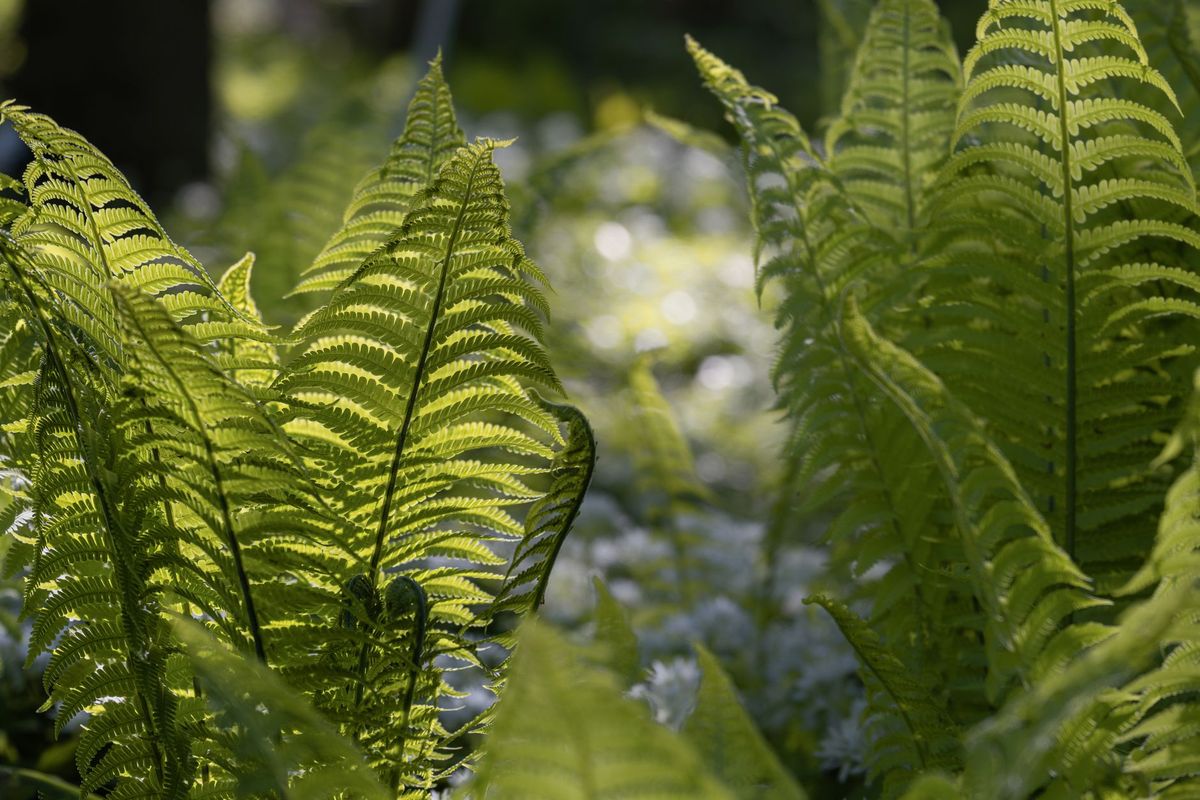
A healthy fern in a pot should look like it is mid-conversation with the future. You want a mix of mature fronds and at least a few tightly coiled croziers pushing up from the centre. New growth is the single best sign that the plant has settled, has energy in reserve and is not simply coasting on last year's leaves.
Colour matters too. Mature fronds should be even and slightly glossy, and the oldest ones around the outside may be a little tired — that is normal wear. Yellowing that runs through the whole plant is not, and usually points to roots that have been sitting wet for weeks. Papery, bleached patches on the upper surface are scorch, a sign the fern has been baking on an open bench.
Then get close. Turn a frond over and run a thumb along the midrib.
- Sticky residue or a sooty black film — often the aftermath of sap-sucking insects.
- Small brown bumps that stay put when nudged, clustered along the stem — likely scale insects.
- Fine webbing between fronds, particularly in warm, dry weather — red spider mite.
- White, fluffy patches at the joints — mealybug.
- Chewed edges and silver trails on the compost — slugs or snails have been visiting, and their eggs may still be in the pot.
None of these is a catastrophe in an established garden, but you do not want to import them onto a bench of your own plants. If the pests are obvious, walk away.
Slide the plant out and look at the roots
If the pot is manageable, tip the fern gently onto its side, support the crown with one hand and ease the rootball free. If it refuses to budge, do not force it — peer at the drainage holes instead and judge from what you can see.
Healthy fern roots are usually dark, wiry and fibrous, holding the compost together without being packed into a solid brick. A rootball with pale tips working through it is actively growing, which is exactly what you want. What you do not want is black, mushy roots, a sour smell, or a mass of roots coiled into a tight spiral at the base. Pot-bound is not fatal — it just means potting on soon and watering more attentively in the meantime — but rot very often is.
Two other things to look for while the rootball is out: pale, C-shaped grubs in the compost, which are vine weevil larvae and will happily move into your other pots, and clusters of clear jelly, which are slug or snail eggs.
Read the compost as a clue
The compost tells you how the plant has been treated. It should be damp but not dripping, and it should smell of earth rather than drains. A few specific things to note:
- A green film or a carpet of liverwort on the surface means the pot has been permanently wet for a long time.
- Compost shrunk away from the pot's edge means it has dried hard at some point; water now runs straight down the sides rather than into the rootball, so it needs soaking before you plant it.
- White mould, fungus gnats or a crop of bittercress and moss all point to the same overly wet conditions.
None of this rules a fern out, but it tells you what the first fortnight at home will involve: a careful soak, better drainage, and no assumptions.
Check the crown and the base
The crown is where the fronds emerge, and it is the part that has to survive. It should be firm, clean and sitting at or just above the surface of the compost. A crown buried under compost will rot; roots left exposed above it will dry out. If the crown feels soft, dark or smells sour, leave the plant where it is. Ferns with crown rot rarely come back.
Tree ferns need a slightly different inspection. Look for a trunk that is firm and evenly moist rather than soggy, a crown that is solid to the touch, and at least one or two croziers on the way. A little looseness in the pot is normal for a bare trunk.
Read the label, then ask a question
Garden centre labels are not always accurate, and “assorted fern” tells you nothing. Look for the Latin name, then check the hardiness rating, which most labels print as an RHS number from H1 to H7. Anything rated H1 or H2 is a greenhouse or houseplant fern and will not survive a UK winter outside; maidenhair ferns and some tree ferns fall into this group.
Reliable garden ferns for most of the country include Dryopteris filix-mas, Polystichum setiferum, Asplenium scolopendrium, Athyrium filix-femina and Matteuccia struthiopteris. If you are unsure, ask staff whether the plant has been kept outdoors or under cover, and when it was last potted on. A fern that has spent its life in a warm tunnel needs hardening off before it meets a frost.
Getting it home and through the first fortnight
Carry it upright, wrap the fronds loosely if the journey is long, and do not leave it in a hot car — bruised fronds do not heal. Once home, keep it away from your other plants for a fortnight so any passengers show themselves, water it thoroughly and let it drain, and stand it in shade or dappled light rather than full sun.
Resist the urge to feed it, and resist repotting unless the compost is genuinely poor. Ferns resent disturbance; early spring, just as growth starts, is the safest moment to move one on. Keep an eye on slugs if the pot sits on the ground, and if the fern is destined for indoors, remember that most of them want far more humidity than a centrally heated room provides.
A two-minute checklist for the bench
- Fresh croziers at the centre, even colour across the fronds.
- No sticky residue, webbing or scale along the stems.
- Roots visible at the drainage holes firm and dark, not black and mushy.
- Compost damp, with no liverwort carpet or mould on the surface.
- Crown firm, clean and not buried.
- Hardiness rating suits your garden or your windowsill.
- A sensible plan for getting it home without cooking it.
Buy the fern that is growing rather than the one that merely looks full, and you will spend far less of the summer nursing it back to health.
Photo: Ilo Frey / Pexels